Hurghada is the Red Sea's easiest holiday: direct flights from across Europe, resorts for every budget, 360 days of sunshine a year, and a menu of boat trips and desert adventures that no other Egyptian resort town matches. This guide covers everything you need to plan the trip — honestly, and without the brochure talk.
Where Hurghada is — and how to get there
Hurghada sits on Egypt's western Red Sea coast, about 450 km southeast of Cairo and 300 km northeast of Luxor. Hurghada International Airport (HRG) receives direct flights from most European capitals plus domestic hops from Cairo. The airport is 10–15 minutes from most hotels; agree the taxi price before you get in, or pre-book a transfer.
Choosing your area
- Sakkala (downtown): the old centre — the marina, bazaars, local restaurants and nightlife. Best if you want to walk out of your hotel into real streets.
- Village Road (El Mamsha): the long pedestrian promenade between Sakkala and the southern resorts — shops, cafés and mid-range hotels.
- Sahl Hasheesh & Makadi Bay (south): newer, prettier, quieter — big all-inclusives on their own bays, 25–40 minutes from town.
- El Gouna (north): a separate, manicured lagoon town 30 minutes away — marinas, golf, and higher prices.
Money, SIM cards and tipping
The currency is the Egyptian pound (EGP); euros and dollars are widely accepted in tourist areas, but you will get better value paying in pounds. ATMs are everywhere. Buy a local SIM (Vodafone, Orange, Etisalat) at the airport — data is cheap and coverage along the coast is excellent. Tipping (baksheesh) is part of the culture: keep small notes for drivers, boat crews and hotel staff — 20–50 EGP is a normal thank-you.
Getting around
Taxis are the default — always fix the price first or use Uber/Careem, which both operate in Hurghada and remove the negotiation entirely. Hotel shuttles cover the southern bays. For Luxor or Cairo, book an organised excursion or a private transfer rather than attempting public transport with luggage.
When to come
October to April is the comfortable season — 22–28°C air, warm-enough sea, cool evenings. June to September is hot (35–40°C) but the sea is bathtub-warm and prices drop. Wind matters more than temperature here: March–April and September can bring breezy afternoons that affect boat trips. The full breakdown is in our best time to visit guide.
Is it safe?
Short answer: yes, with normal travel sense. Tourist areas are heavily policed, violent crime against visitors is rare, and the annoyances are commercial, not dangerous — persistent shopkeepers, inflated taxi quotes. The detailed, honest version is here: Is Hurghada safe for tourists?
The trips worth booking
Hurghada's real product is its excursions. The essentials most visitors end up rating highest:
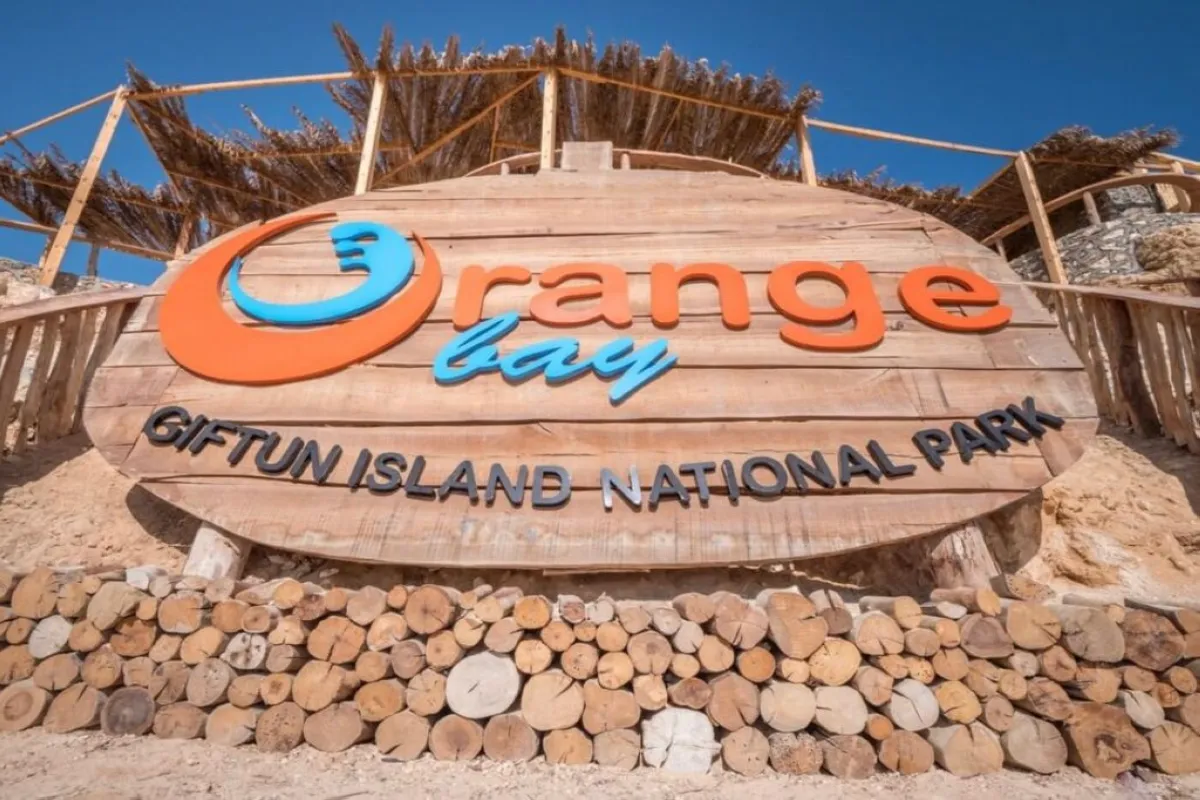
- Orange Bay island day — the famous sandbar beach with two snorkel stops
- Dolphin House — wild dolphins over a horseshoe reef
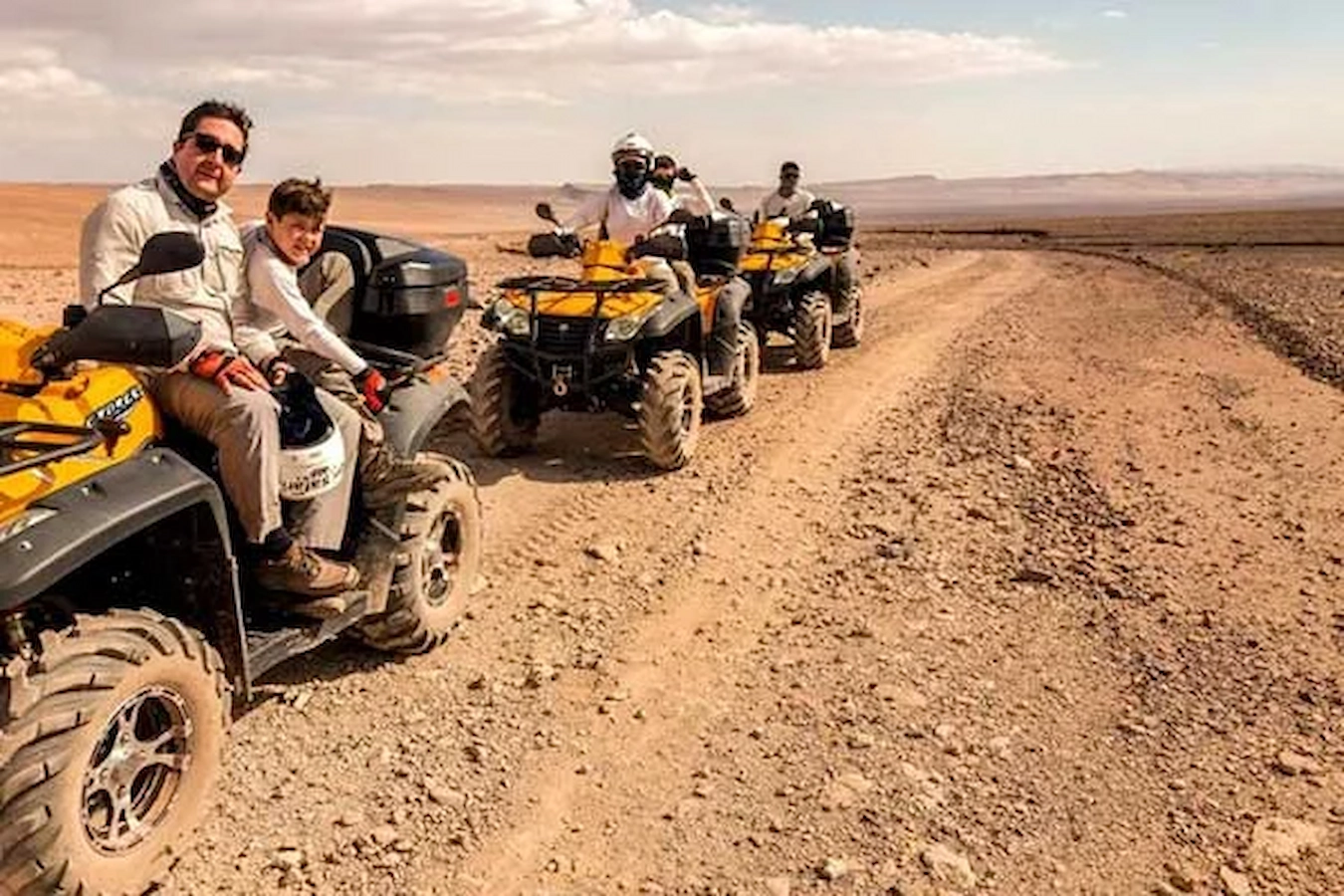
- Super safari — quads, Bedouin village, dinner and show
- Luxor day trip — Karnak and the Valley of the Kings
- Intro scuba diving — two instructor-led dives, no licence needed
Our 15 best things to do list and the excursion chooser go deeper. One practical tip: book boat trips for early in your stay so there is room to rebook if wind cancels a sailing.
What to pack
Reef-safe sunscreen (standard sunscreen is discouraged on many reefs), a rash guard, water shoes, a light jacket for winter evenings and boat rides, and any medication you rely on. The complete checklist: what to pack for Hurghada.